



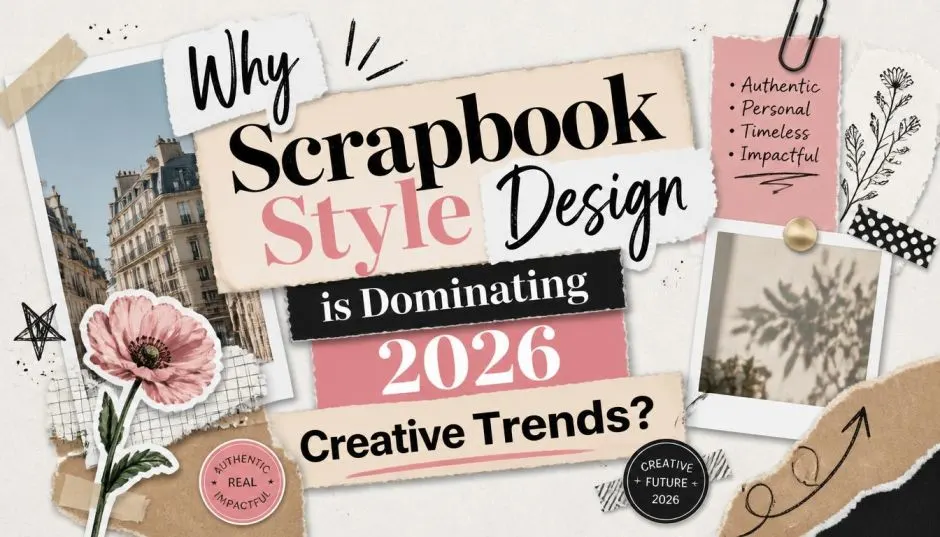
I noticed it last month while scrolling through Pinterest. My entire feed had shifted. Gone were the perfectly polished, hyper-edited graphics. Instead, I saw torn paper edges, handwritten notes, and photos with tape marks running across them. The scrapbook style design trend had arrived. And not quietly.
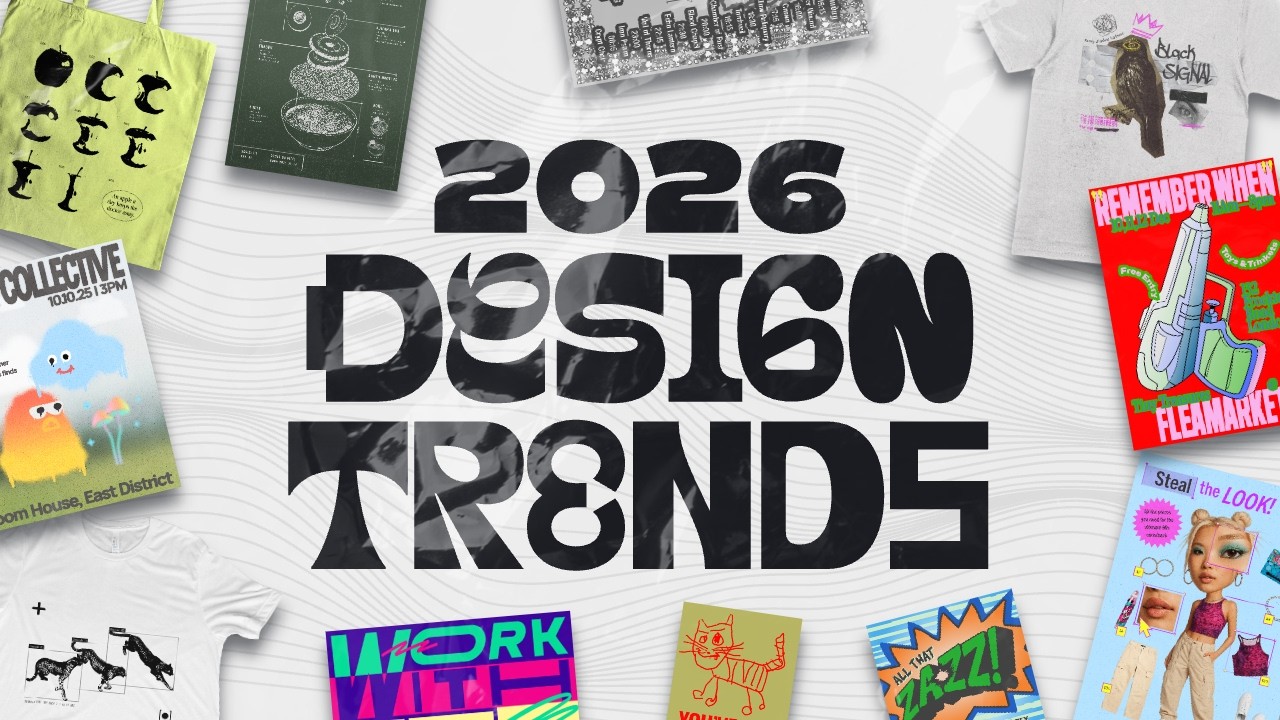
This isn't some niche craft revival. Major design forecasters have officially called it. TrendBible named "Creative Pursuits" a key theme for Spring/Summer 2026.
So what is happening? Why is everyone suddenly obsessed with cut-and-paste chaos?
What Exactly Is Scrapbook Style Design?
Let me define this clearly.
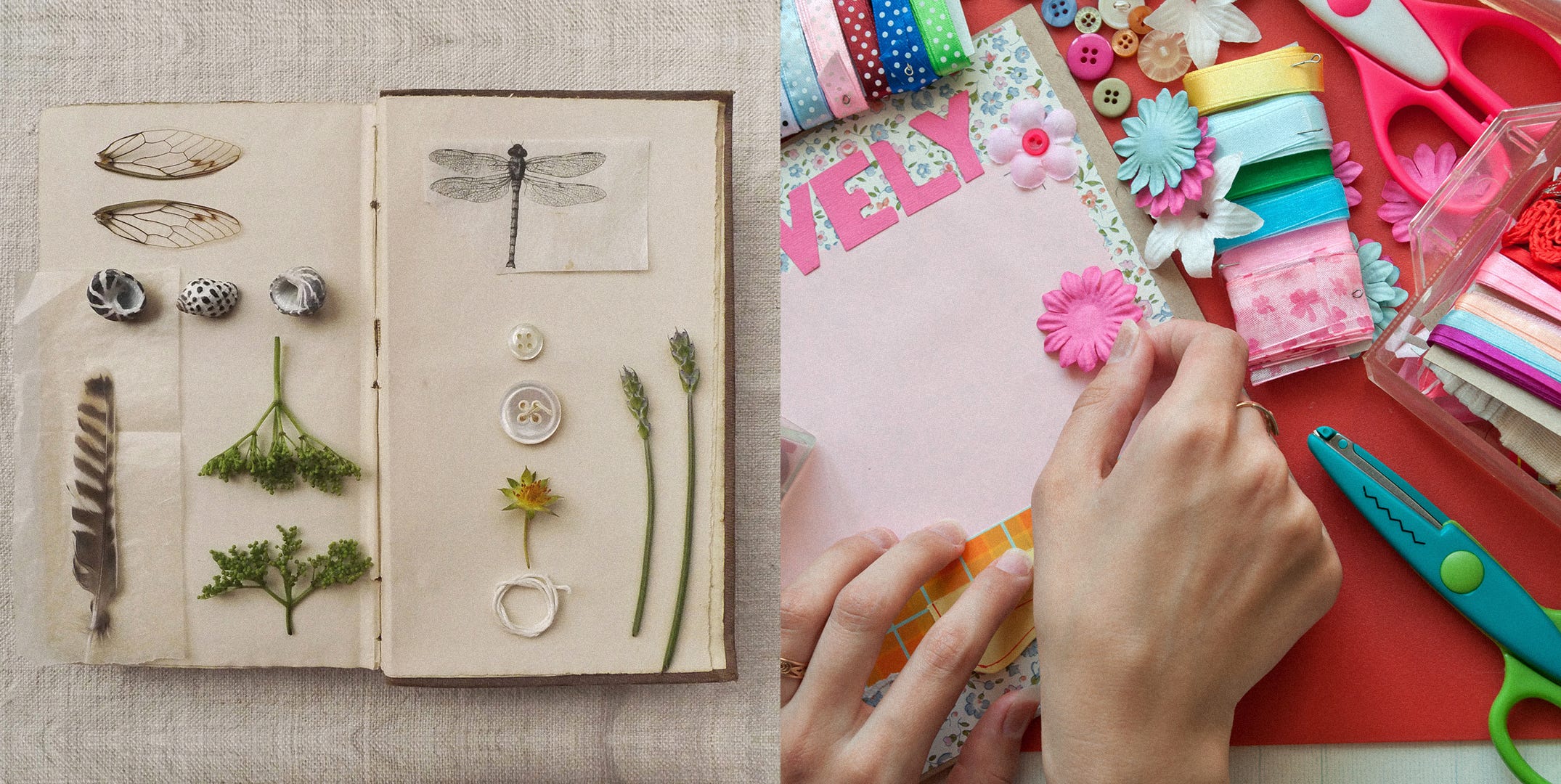
Scrapbook style design mimics the look of a physical scrapbook. You know the kind. The ones your grandmother kept with ticket stubs and dried flowers. The aesthetic includes:
-
Torn or distressed paper edges
-
Handwritten or hand-lettered text
-
Visible tape, staples, or stitching
-
Layered photos and clippings
-
Imperfect alignment on purpose
-
Mixed materials (fabric, washi tape, stickers)
Think of it as organized chaos. Nothing sits perfectly straight. Nothing looks machine-made. And that is exactly the point.
Read Also: Light Gray Paint Colors: Trending Shades for Modern Homes
A trend forecasting site called this Scrapbook/Scissor Works . Imagine cutting letters from a magazine and gluing them down. That raw, handmade feel. That is what designers are chasing right now.
Why Is This Trend Dominating 2026?
I have a theory based on what I am seeing around me.
Reason 1: We are tired of AI perfection
Everywhere you look, AI generates flawless images. Smooth gradients. Perfect symmetry. No errors. It is beautiful. And it is also boring after a while.
People crave the opposite now. Handmade. Imperfect. Real.
One design agency put it well. They said audiences are gravitating toward "genuine and inclusive visuals" that feel "real rather than overly polished. Another source called this a return to "human-centered stories" after years of AI-saturated content.
Reason 2: We need offline hobbies
Here is something I noticed in my own life. I spend hours on my phone. Then I feel terrible. Then I promise to do something with my hands. Then I fail and repeat the cycle.
The DIY and craft trends for 2026 reflect this exact struggle. One lifestyle publication wrote about "trading restless scrolling for the satisfaction of making something tangible instead.
Scrapbooking fits perfectly here. You cannot scroll and cut paper at the same time. Your hands stay busy. Your brain gets a break.
Reason 3: Nostalgia sells
Remember making collages in school? Gluing magazine cutouts onto poster board? That feeling of messy creativity?
Scrapbook style taps directly into that memory. One trend report described it as playful, organic, and packed with personality while simultaneously also providing an almost nostalgic feel.
We are not just buying a design trend. We are buying a feeling. The feeling of being ten years old with a glue stick and zero rules.
Where Are You Seeing This Trend Right Now?
Let me give you specific examples. Because this is not just a scrapbooking hobby thing. It is everywhere.
Home decor
Interiors are becoming "playfully theatrical" according to TrendBible . Think vintage frames. Mixed patterns. Hand-painted accents on furniture. Spaces that look collected over time, not bought in one trip to a showroom.
Graphic design
Brands are using cut-out lettering, tape strips, and paper textures in their logos and packaging. One design firm noted that "mixed media elements combining photos, 3D objects, hand drawn illustrations, and textures" will define 2026 visuals.
Social media content
Scroll through Instagram or Pinterest. Notice the filters that add paper grain. The templates with torn edges. The Reels showing hands actually cutting and pasting. This aesthetic performs well because it looks human.
Website design
Even web layouts are shifting. Designers predict "free-flowing structures" instead of rigid grids. More personality. Less corporate sameness.
Pen pal culture
This surprised me. Pen pals are coming back. Pinterest predicts a "letter writing renaissance" in 2026. People want decorated envelopes and handwritten notes. Search trends for "cute stamps" and "hand written letters" are climbing.
You Must Also Like: Easy and Beautiful Mehndi Designs for Front Hand: Trends 2026
All of this falls under the scrapbook style umbrella. It is about slowing down. Making things by hand. Leaving room for imperfection.
How to Try Scrapbook Style Design Yourself (Practical Guide)?
I tested three different approaches to this trend. Here is what worked and what did not.
Approach 1: Physical Scrapbooking (Traditional)
You need very little to start. Seriously.
Essential supplies:
| Item | Why You Need It | Approximate Cost |
|---|---|---|
| Blank scrapbook or journal | Your canvas. 12x12 inches is standard | $10-25 |
| Acid-free glue stick or double-sided tape | Keeps photos from falling out later | $3-8 |
| Scissors (decorative edge optional) | Cutting paper and photos | $5-15 |
| Photos to use | Your memories | Free |
Nice to have but not required:
-
Patterned paper or cardstock ($5-15 per pack)
-
Washi tape in various colors ($3-10)
-
Stickers or alphabet stickers ($4-12)
-
Pens for journaling ($5-20)
One detailed buying guide recommends starting with "plain cardstock or patterned scrapbook paper" as your base. Then add photos using double-sided tape. Then layer stickers or washi tape for decoration.
What I learned: This approach is slow. A single double-page spread took me 45 minutes. But that was the point. I did not check my phone once. My brain felt quiet afterward.
Best for: People who need a break from screens. Anyone who enjoys physical crafting.
Not for: People short on time or space. Scrapbooking supplies take up room.
Approach 2: Digital Scrapbooking (Modern)
You can get the scrapbook look without paper cuts. Many designers work entirely in digital tools now.
What you need:
-
Design software (Canva, Photoshop, or Procreate)
-
Scrapbook-style assets (torn paper PNGs, tape overlays, handwritten fonts)
-
A tablet optional but helpful
Pros: Unlimited undo button. No wasted paper. Easy to share online.
Cons: Loses the tactile satisfaction. Still requires screen time.
What I learned: Digital scrapbooking feels faster. I completed a page in 15 minutes. But it did not give me the same mental reset. Something about touching actual paper matters.
Best for: Content creators. People sharing their scrapbook pages on social media. Anyone short on physical storage space.
Not for: People trying to reduce screen time.
Approach 3: Hybrid (Best of Both Worlds)
This is what I landed on. Create physical elements. Scan or photograph them. Then finish digitally.
My process:
-
Cut paper shapes and letters by hand
-
Arrange them physically on a surface
-
Take a photo with good lighting
-
Import into design software
-
Add digital text or minor adjustments
This gives you the handmade texture without committing to a physical album. Plus you can share the result instantly.
What I learned: Hybrid takes more steps. But the final product looks more authentic than purely digital work. People notice the difference.
Best for: Designers building portfolios. Anyone who wants to post scrapbook content online.
Not for: Pure traditionalists who want a physical keepsake.
Pros and Cons (Honest Assessment)
Let me be real with you. This trend has genuine strengths. It also has genuine weaknesses.
The Good
You cannot mess it up
That is the beauty of scrapbook style. Imperfection is the goal. Crooked text? That is intentional now. Glue smudge? Adds character. There are no mistakes. Only design choices.
It forces you offline
Physical scrapbooking requires both hands. No phone scrolling while you work. No notifications. Just you and your materials.
It preserves actual memories
Digital photos sit on phones forever. Unprinted. Unseen. Scrapbooking puts them in your hands. You write the date. You add context. Future you will thank present you.
The supplies are affordable
You do not need expensive equipment. A 10journal.A10journal.A5 glue stick. Some old magazines. That is enough to start.
The Bad
It takes time
A single page takes 30-60 minutes. An entire album takes weeks or months. If you want quick results, this is not for you.
Supplies add up
Basic materials are cheap. But the hobby has a dark side. Patterned paper packs. Specialty scissors. Embellishment kits. You can easily spend $100 before you notice.
Physical storage is a problem
Scrapbooks are large. 12x12 inches is standard. They do not fit on normal bookshelves. If you live in a small apartment, this matters.
Who This Trend Is For (And Who Should Skip It)
Let me save you some frustration.
Try scrapbook style if you:
-
Need a screen-free hobby
-
Have physical photos collecting dust
-
Enjoy imperfect, handmade aesthetics
-
Want to preserve memories in a tangible way
-
Have a small budget for supplies
Skip it if you:
-
Hate clutter or mess
-
Need professional-looking results
-
Have very limited time
-
Prefer clean, minimalist design
-
Lack physical storage space
I fall into the first category. My phone usage was out of control. But my friend Sarah tried it and hated it. She said it felt like "chores with extra steps." Fair point. This hobby is not for everyone.
How to Spot Quality Scrapbook Supplies?
Not all materials are equal. Here is what to look for.
Paper and cardstock:
-
Look for "acid-free" and "lignin-free" on the label
-
12x12 inches is the most common size
-
Textured paper feels more authentic than smooth
Adhesives:
-
Double-sided tape works better than glue sticks
-
Test on scrap paper first. Some tapes show through photos
-
Avoid anything that stays wet for more than a few seconds
Tools:
-
A paper trimmer saves time vs scissors
-
Decorative edge scissors are fun but optional
-
A cutting mat protects your table
Embellishments:
-
Washi tape is beginner-friendly
-
Stickers are easy but can look cheap
-
Real ephemera (tickets, maps, dried flowers) looks best
One experienced scrapbooker noted that her "must haves" include "paint, sequins/scatters, interesting textured items (like doilies, fabric, vellum)" . Another said she "gravitate[s] toward white papers or really messy mixed media papers" .
There is no single right answer. Your style will emerge as you practice.
Real Examples from My Test Week
I documented everything during my scrapbook experiment. Here are honest results.
Page 1: Coffee shop receipts
I saved receipts from three different coffee shops. Glued them onto a page. Added washi tape borders. Wrote the date and who I was with.
Time: 25 minutes
Result: Messy but meaningful
Would I keep it? Yes
Page 2: Failed dinner party
I burned a meal for friends. Instead of hiding it, I printed photos of the burned food. Added a sarcastic caption. Used red marker to draw angry faces.
Time: 35 minutes
Result: Hilarious
Would I keep it? Absolutely
Page 3: Perfectly composed spread
I tried to make something Pinterest-worthy. Symmetrical photos. Neat lettering. Color-coordinated paper.
Time: 55 minutes
Result: Boring
Would I keep it? No. I threw it away.
The imperfect pages felt more real. The perfect page felt like work. Lesson learned.
The Final Thoughts
Scrapbook style design is dominating 2026 for good reason. People are exhausted by digital perfection. They want to make things with their hands. They want imperfect, personal, human visuals.
You can join this trend in three ways:
-
Physical scrapbooking – Slow, tactile, screen-free. Best for mental health.
-
Digital scrapbooking – Fast, shareable, no mess. Best for content creation.
-
Hybrid – Physical elements finished digitally. Best for designers.
Start small. Do not buy everything at once. Embrace imperfection. And remember the goal is not a perfect album. The goal is the time spent making it.
Now go find some old photos. And a pair of scissors. And make something ugly. That is the whole point.
Frequently Asked Questions
What is the difference between a scrapbook and a photo album?
A photo album presents photos cleanly. A scrapbook adds journaling, embellishments, and memorabilia. Scrapbooks are "highly customizable and personal" while photo albums are "organized, clean presentation".
How much should I spend to start scrapbooking?
Under $25. Buy a blank journal, glue stick or tape, and scissors. Use photos you already have. Add supplies only as needed.
Can I sell scrapbook-style designs?
Yes. Digital scrapbook assets sell well on creative marketplaces. Physical scrapbooks are harder to sell because they are personal. Most professional scrapbookers sell templates or supplies, not finished books.
What size scrapbook should I buy?
12x12 inches is the most common and has the most supply options . 8x8 inches is good for themed albums or gifts. Smaller books take less time to complete.