



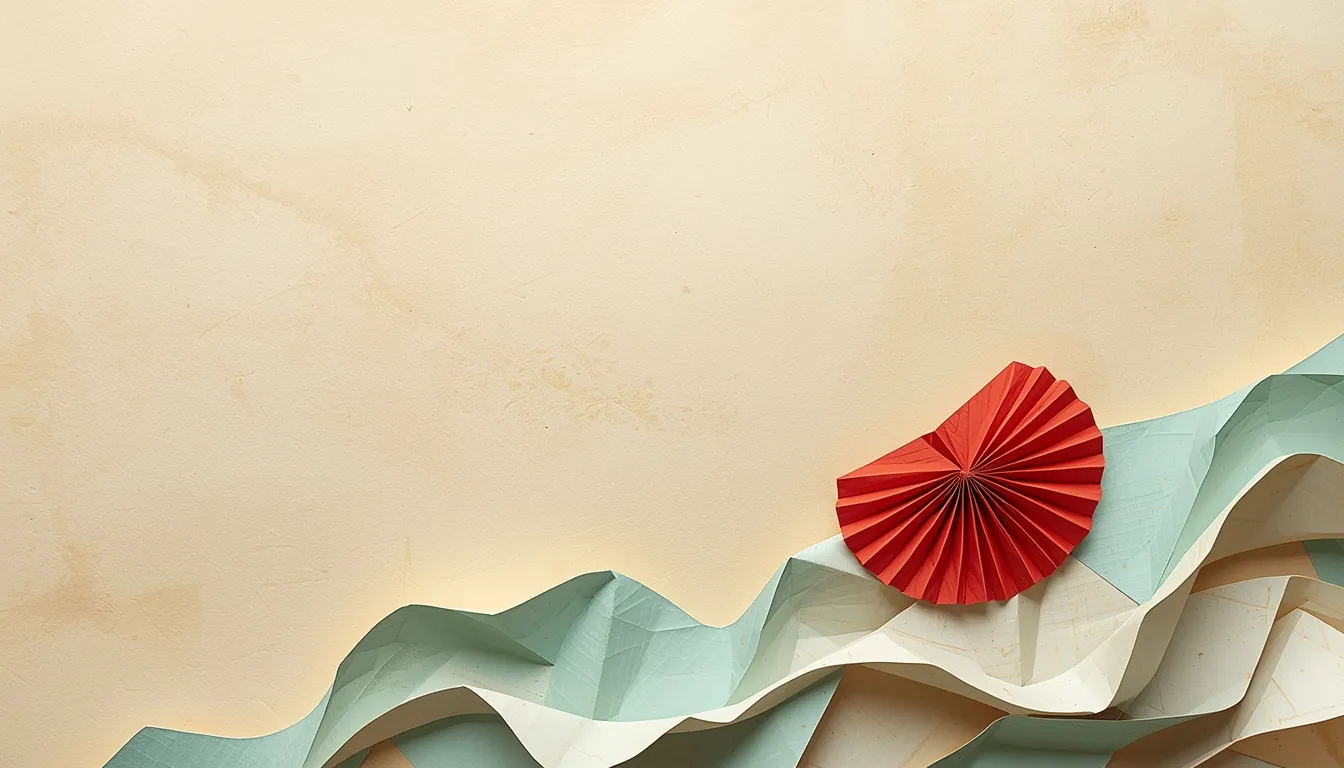
If you have ever folded a paper crane as a kid or tried to follow those puzzling little arrows on a square piece of paper, then you’ve already played with one highly visible traditional Japanese art — even if you didn’t know it at the time.
The traditional Japanese art of paper folding is known as origami. Simple word. Profound history. And a far cry farther than most people realize.
I have been writing about art, culture and makes for over a decade, and origami is one of those stories that seems simple at first glance but keeps revealing layers the longer you stay with it.
What Is A Traditional Japanese Art?
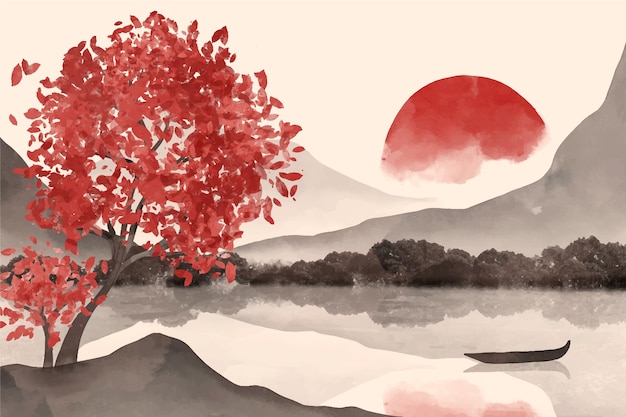
In this paragraph, I am talking about what traditional Japanese art is. It’s so unfair on paper. It’s about persistence, imagery, and a very Japanese way of finding beauty in restraint. Let’s unload it properly:
Read Also: How to Manager Color Palette in Figma?
Origami: Not Only Fair Folding of Paper
The Japanese word origami is a compound of two smaller words:
Ori'' (to place on top of) and `kami" Paper.
That’s the exacting definition. But socially, origami sits comfortably adjacent to Japanese traditional painting art and other shapes of Japanese traditional art that esteem adjust, deliberate, and calm beauty. What makes origami uncommon is what it doesn’t use.
- No scissors.
- No glue.
- Just paper and your hands. That confinement is the point.
I keep in mind going by a little social center in Kyoto a long time back. A neighborhood instructor appeared us how to overlap a straightforward crane. Same paper. Same steps. Each crane looked diverse. That’s origami in a nutshell. Strategy meets personality.
A Brief See at Origami’s Roots
Paper arrived in Japan from China around the 6th century. At to begin with, it was costly and sacrosanct. Collapsing paper wasn’t a casual pastime. It was tied to ceremonies, ceremonies, and offerings at Shinto shrines.
Early origami wasn’t enhancing. It was symbolic.
Folded paper was utilized in weddings, devout ceremonies, and formal gift wrapping. Indeed nowadays, you’ll see follows of that tradition in Japanese packaging. The crease itself carries meaning.
As paper got to be more reasonable amid the Edo period, origami gradually moved into ordinary life. Children learned it at domestic. Designs spread by word of mouth. No instruction books. No graphs. Fair practice.
That natural spread is why origami feels so human.
Origami’s Put in Traditional Japanese Art
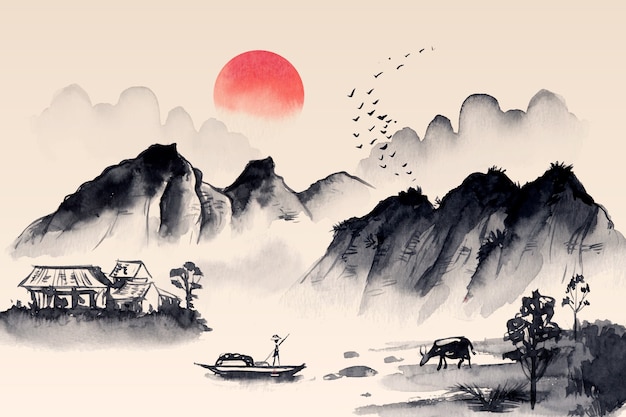
When individuals think of Traditional Japanese art paintings, names like Hokusai or Hiroshige come up. And appropriately so. Those artists formed how the world sees Japan.
But origami has a place in the same conversation. Like popular Japanese works of art, origami centers on:
- Clean lines
- Negative space
- Balance
- Nature as inspiration
A collapsed frog, a crane, or a bloom takes after the same tasteful rules as ink works of art or woodblock prints. Nothing additional. Nothing forced.
I frequently tell perusers this: if you appreciate Japanese traditional painting art, you’ll likely appreciate origami as well. They talk the same visual language.
The Crane: Origami’s Most Capable Symbol
If there’s one shape everybody partners with origami, it’s the paper crane. In Japanese culture, the crane symbolizes life span, peace, and great fortune. There’s a conviction that collapsing 1,000 cranes can allow a wish.
You Must Also Like: Free Desktop Wallpaper Minimalist Digital Art Spring 2025
That thought got to be profoundly enthusiastic after World War II, through the story of Sadako Sasaki. This is where origami stops being “craft” and gets to be art with enthusiastic weight.
I’ve seen dedications filled with thousands of cranes. Diverse colors. Distinctive papers. Same shape. The impact is overpowering in the best way. That emotional profundity is why origami holds its possess among popular Japanese depictions and other regarded craftsmanship forms.
Is Origami Still Important Today?
Absolutely. And not fair as a nostalgic hobby. Modern origami influences:
- Architecture
- Fashion design
- Medical engineering
- Space technology
NASA has utilized origami standards to plan foldable sun powered boards. Specialists utilize origami-inspired strategies for stents and restorative tools.
Yet, at its heart, origami remains profoundly traditional.
That adjust between ancient and unused is something Japanese traditional art does exceptionally well.
Choosing Origami Paper: What Really Matters?
If you’re considering about trying origami—or buying supplies—this is where fair counsel helps. You don’t require favor paper to begin. In reality, I’d contend costly paper can moderate tenderfoots down. Here’s what I’ve learned from experience:
- For beginners
- Standard kami paper (lean, square, colored on one side)
- 15 cm x 15 cm size
- Affordable packs with numerous sheets
This paper pardons botches. And you’ll make botches. Everybody does.
For halfway folders
Washi Paper (Conventional Japanese Paper)
Slight surface, more personality
- Great for show pieces
- For progressed or show work
- Tant paper or carefully assembled washi
- Holds sharp creases
- Looks dazzling but less forgiving
If you’re buying online, maintain a strategic distance from paper that’s as well thick. Thick paper battles back. Origami should flow.
Books vs. Online Tutorials: Which Is Better?
This depends on how you learn. I begun with books. Graphs constrained me to moderate down and get it each crease. That establishment still makes a difference me today. Online recordings are phenomenal for:
- Complex models
- Visual learners
- Quick inspiration
- My legitimate proposal? Utilize both.
A strong origami book gives structure. Videos deliver confidence. If you’re buying your to begin with book, see for one that clarifies why folds work, not fair how. That’s the distinction between replicating and learning.
Origami for Kids vs. Adults
- Origami regularly gets labeled as a kids’ action. That’s unfair.
- Yes, kids advantage tremendously from it—fine engine abilities, center, patience.
- But grown-up origami is a distinctive experience.
I’ve collapsed paper after long workdays fair to calm my intellect. No screens. No commotion. Fair paper and redundancy. It’s shockingly grounding. Many grown-ups I’ve talked with say the same thing. Origami becomes a kind of moving meditation. That’s something you seldom get from present day hobbies.
Origami Compared to Other Japanese Conventional Arts
If we compare origami to Japanese traditional painting art, tea ceremony, or calligraphy, one thing stands out. Origami is accessible. You don’t require a long time of preparing to begin. You don’t require uncommon instruments. You fair begin.
That openness is why origami has traveled so distant past Japan whereas still remaining established in conventional Japanese art values. It welcomes interest instep of observation.
Why Origami Still Matters?
Origami educates lessons quietly.
- Patience
- Precision
- Acceptance of imperfection
You can’t surge a crease. You can’t fix everything. Some of the time a botch gets to be portion of the last design. That attitude mirrors life more than we like to admit.
Among Traditional Japanese art paintings and other art shapes, origami might be the most individual. It passes specifically through your hands. No separate. No frame.
Just paper getting to be something else.
Final Thoughts
So, what is the traditional Japanese art of paper folding called? Origami. But calling it fair “paper folding” undersells it. Origami is history, imagery, treatment, plan, and art—wrapped into a single square sheet of paper.
It stands gladly close to popular Japanese depictions and other columns of Japanese traditional art, indeed in spite of the fact that it inquires for nearly nothing in return.
If you’re considering attempting it, buying supplies, or gifting an origami book, go for it. Begin straightforward. Remain inquisitive. Let your hands learn some time recently your brain tries to idealize it. That’s how origami has been passed down for centuries. And that’s why it still feels lively nowadays.