




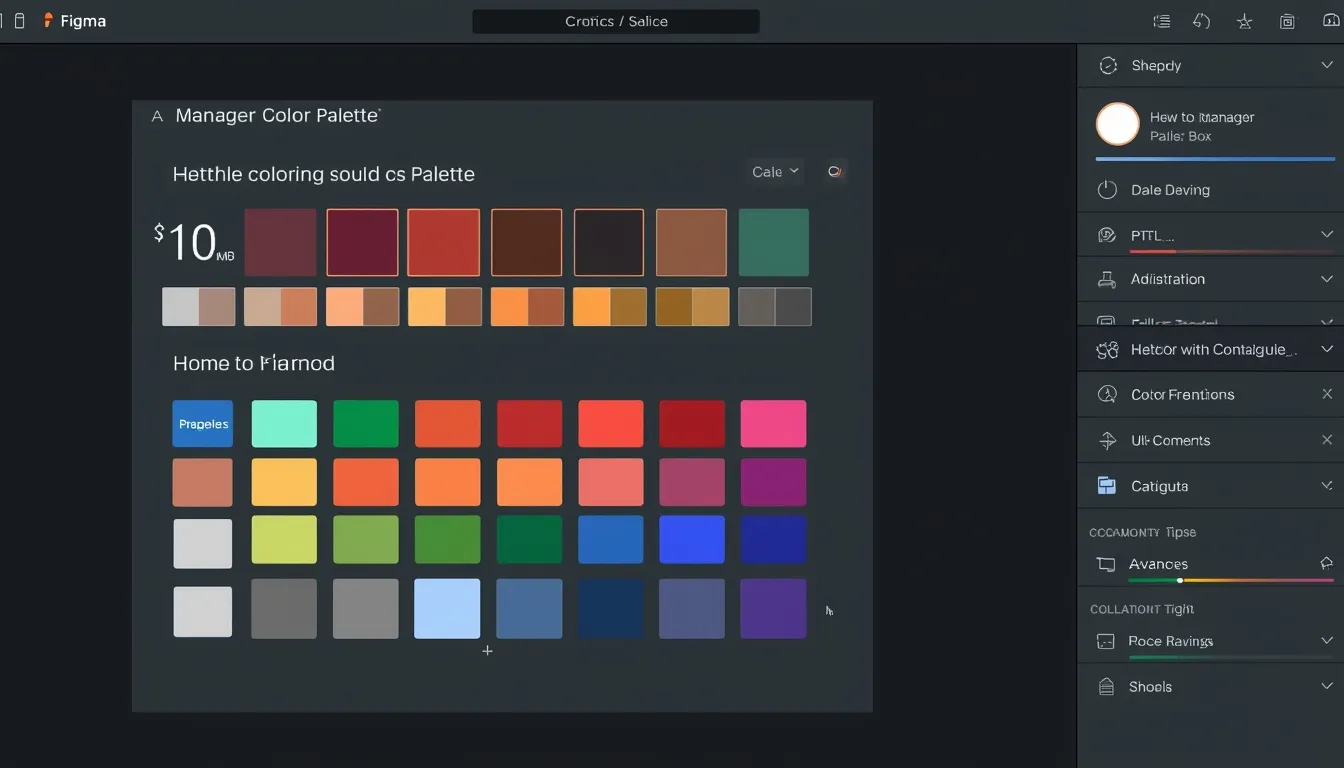
Color is one of the most important parts of plan. It affects mood. It guides clients. It builds brand personality. In Figma, overseeing a color palette is simple when you take after the right steps. A well-managed palette spares time. It keeps plans clean and consistent.
This blog clarifies how to manage color palette in Figma using straightforward words. Sentences are brief. Dynamic and detached voice are both utilized. You will too learn how to utilize a delicate harvest time color palette in your designs.
Why Color Palette Management Matters?
A color palette is a bunch of colors used in a plan. When colors are not overseen, plans see untidy. They befuddle clients. They too moderate down teamwork.
In Figma, colors can be reused. They can be upgraded quick. This makes plan work smooth.
Read Also: Easy and Beautiful Mehndi Designs for Front Hand: Simple Styles to Try
Good color management helps designers:
- Keep visual consistency
- Improve client experience
- Save plan time
- Support brand rules
A color framework is not discretionary. It is needed.
Understanding Color Styles in Figma
Figma uses Color Styles. These styles help you oversee colors effectively. One color can be utilized in numerous places. When the fashion is changed, all plans update.
This prepare is straightforward. It is moreover exceptionally powerful. Color styles are used for:
- Text
- Buttons
- Backgrounds
- Icons
- Borders
Once styles are made, they can be shared with the team.
How to Make a Color Palette in Figma?
Creating a color palette in Figma is easy.
Follow these steps:
- Open your Figma file.
- Draw a shape.
- Apply a color.
- Go to the right panel.
Click the four-dot symbol in Fill.
- Click “Create Style.”
- Name the color style.
- The color is presently spared. It can be reused anytime.
This step is regularly skipped. But it ought to not be ignored.
Naming Your Color Styles Correctly
Good names make work simpler. Terrible names make confusion.
Use clear names like:
- Primary / Blue
- Secondary / Green
- Background / Light
- Text / Dark
If you are using a subject, specify it. For illustration, delicate harvest time color palette / Essential Brown.
Clear naming makes a difference groups get it colors fast.
Using a Soft Autumn Color Palette in Figma?
A delicate autumn color palette is warm and calm. It includes quieted tones. Browns, olives, delicate oranges, and warm grays are common.
This palette is regularly utilized for:
- Lifestyle websites
- Wellness apps
- Nature brands
- Fashion designs
The colors feel cozy. They feel characteristic. They are simple on the eyes.
You Must Also Like: Free Desktop Wallpaper Minimalist Digital Art Spring 2025
Concord As harvest time colors show up to Figma, concord is formed.
Tutorials and Guides How to Add Soft Autumn Colors to Figma
First, collect your colors. You can use hex codes. You can too use color tools. Then take after these steps:
- Define styles for each color
- Group them beneath one name
- Utilise folders such as ‘Autumn / Primary’
- This keeps the palette organized.
A delicate harvest time color palette should incorporate light, medium, and dim shades. This helps with contrast.
Managing Colors with Plan Tokens
Design tokens are reusable values. Colors are regularly used as tokens. In Figma, color styles work like tokens. Tokens help when plans move to advancement. Designers get it them easily. For example:
- Color / Brand / Primary
- Color / Foundation / Light
- This framework is clean. It is adaptable. It is simple to update.
A delicate harvest time color palette can too be tokenized. This makes topic changes simple.
Updating Colors Across Designs
One of the best features in Figma is worldwide overhauls. When a color fashion is altered, all connected components update.
This spares hours of work.
Steps to update:
- Open the color style.
- Change the color value.
- Save the style.
- The overhaul is connected everywhere.
This is why color styles should always be used.
Avoiding Common Color Mistakes
Many creators make basic mistakes. These include:
- Using irregular colors
- Not utilizing styles
- Poor contrast
- Too numerous colors
- These botches harmed usability.
When using a delicate harvest time color palette, dodge adding bright neon colors. They break the mood.
Stick to the topic. Keep it balanced.
Using Color Variables in Figma
Figma too supports color factors. Factors are supportive for topics. Both light and dim modes can be managed effortlessly.
If there are factors, colors can change under mode.
This is good for sophisticated systems. It also plays nicely with a subtle autumn color scheme with usual subjects.
Assets panel is responsible for handling the variables.
Collaborating on Color Palettes with Team
Teamwork is imperative. Figma makes sharing easy.
Color styles can be distributed. Group libraries can be used.
When a palette is shared:
- Everyone employments the same colors
- Errors are reduced
- Brand consistency is maintained
This is vital for expansive projects.
Testing Color Accessibility
Accessibility should not be overlooked. Colors must be readable. Use contrast checkers. Make sure content is clear. Soft colors are wonderful. But they must be usable. A delicate harvest time color palette ought to be tried carefully. Differentiate can be balanced without losing warmth.
Accessibility makes plans superior for everyone.
Final Thoughts
It’s easy to maintain a color palette in Figma. But it requires arranging. Color styles should be used. Names ought to be clear. Upgrades ought to be global. Rich autumn hues add warmth and tranquillity to plans. When managed properly, it enhances the customer experience.
Use Figma instruments completely. Remain organized. Keep colors consistent. Notable shading the board makes remarkable plan workable.