




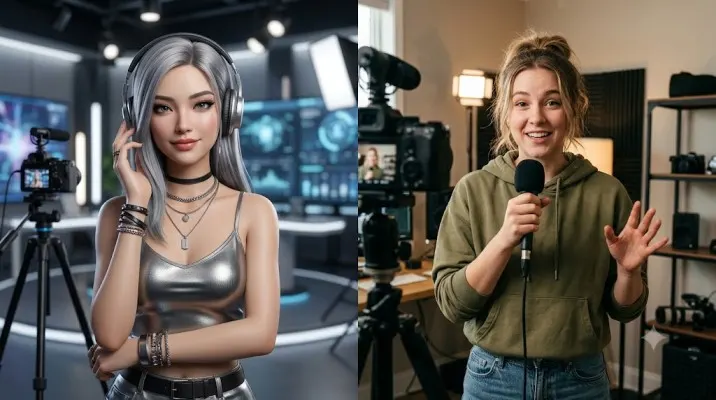
Virtual Influencers vs Human Creators is a debate that shifted from theory to reality much faster than anyone expected. I spent the last six months watching brands quietly replace human creators with AI-generated personas.
Some campaigns worked. Others backfired badly. The cost gap is staggering. A brand-ready virtual influencer that cost nearly ₹3.6 crore to build in 2022 now costs around ₹26 lakh.
That's not a small shift. That's a rewrite of influencer economics. But here's what most guides miss: cheaper doesn't mean better. The real differences go far deeper than price tags. Let me show you what I learned from testing both.
Virtual Influencer Definition: What Actually Counts as One?
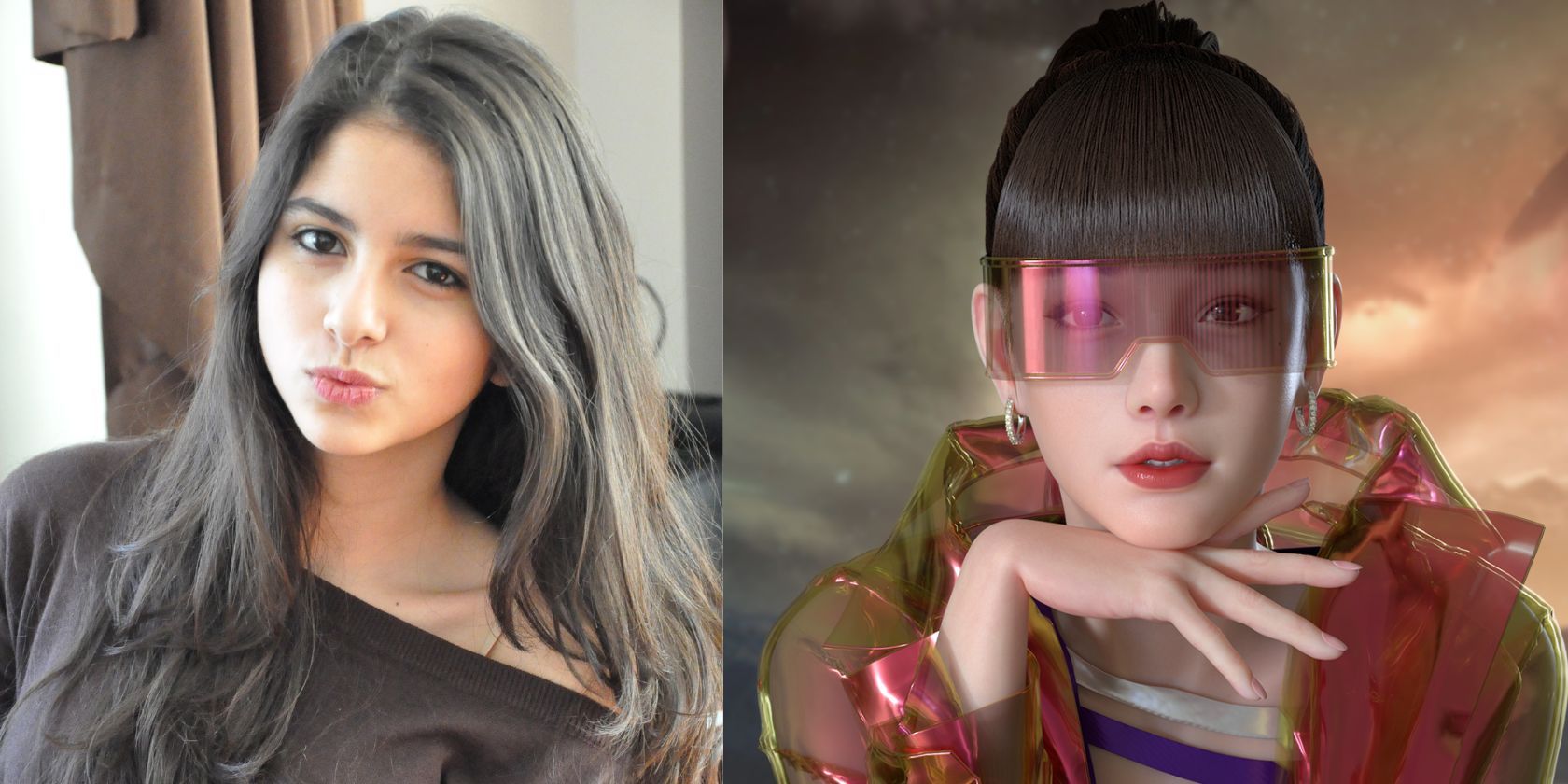
A virtual influencer is a computer-generated character that builds a following and promotes brands on social media. No physical body. No real-life presence.
Read Also: What Is the Impact of Electro Music on Pop Culture In 2026?
The term covers a wide range. Some are fully AI-driven avatars that generate their own content. Others are CGI characters controlled entirely by human teams. Lil Miquela and Lu do Magalu are the classic examples.
What makes them different from cartoon mascots? Intent. Virtual influencers don't sell cereal. They sell lifestyle. They post outfits. They share opinions. They mimic human behavior closely enough to feel real.
One academic framing stuck with me. Researchers call them “fictional entities known as avatars”. Simple. Accurate. These aren't people pretending to be digital. They're digital pretending to be people.
The Cost Equation Nobody Talks About Openly
Virtual influencers win on economics. That's undeniable.
Brands pay human creators per post. Sometimes per campaign. That money keeps flowing. A virtual influencer? You build it once. You own it forever. Run it across ten languages. Push content on five platforms. No talent fees. No travel costs. No scheduling conflicts.
The numbers explain everything. AI influencers are expected to take 25–35% of nano and micro-creator budgets in India by 2027. Those creators earned money by offering cheap reach. Virtual influencers offer cheaper reach. The math kills the market segment.
But here's the catch. That ₹26 lakh starting cost? That's just creation. Keeping a virtual influencer relevant requires constant content production. Someone writes scripts. Someone prompts image generations. Someone monitors comments. The hidden labor never ends.
Authenticity: The Real Dividing Line
This is where the comparison gets uncomfortable.
Human creators share lived experience. They eat the food they recommend. They wear the clothes they promote. That physical reality creates trust. Research shows consumers attribute less emotional capacity to virtual influencers.
That leads to more skepticism toward branded messages. I felt this myself. When a virtual influencer promotes skincare, part of my brain shuts off. How does code know what a breakout feels like?
But the reality is messier. A 24-month study in France found engagement levels were comparable between virtual and human influencers . The volume matched. The nature of comments didn't. Virtual influencer posts drew more questions about digital identity. Human posts drew emotional responses.
Other data shows virtual influencers getting 5.8% engagement versus 2.3% for humans. That advantage doesn't come from authenticity. It comes from novelty. From curiosity. That effect fades.
Virtual Influencer How to Create: What I Learned Building One?
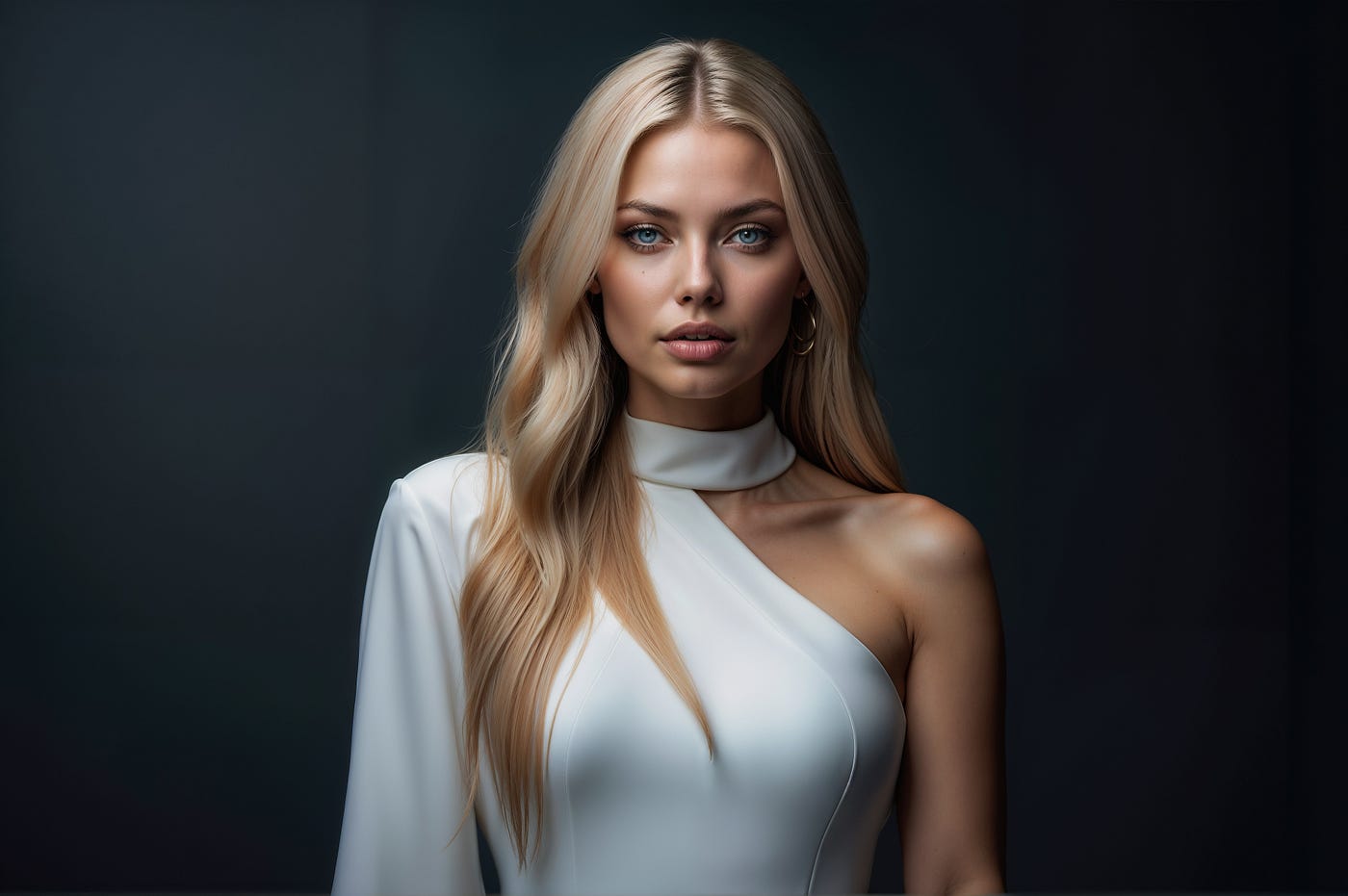
I tested a basic virtual influencer workflow over three weeks. Not a professional build. A test to understand the mechanics.
You Must Also Like: How Electronic Music Is Shaping Pop Culture in 2026?
The tools exist. Civitai offers LoRA training for consistent characters. You can generate images, animate them with lip-sync, and publish content. Open-source options work too.
Here's what mattered most.
Consistency Is Everything
If your virtual influencer's face changes between posts, you lose. Period. One image has a wider jawline. Another shows different eye spacing. Viewers notice immediately.
The fix starts before generation. Build a small visual reference set. A front portrait. A three-quarter view. A side profile. Natural expressions. Stable features. Lock those details. Generate everything from that base.
Civitai's guide nailed this point. Avoid tattoos, tiny piercings, complex nail art. They look great once. They break across different angles . Simple, repeatable features win.
Character Before Content
Most beginners make the same mistake. They design a look first. Then struggle to figure out what the character should say.
Write the character guide first. What's the role? Who's the audience? What topics does the character never touch? A virtual fitness host shouldn't give medical advice. A fashion persona doesn't need political opinions .
Keep it specific. “Friendly and creative” describes everyone. “Patient, practical, slightly dry” gives writers direction.
Voice Consistency Matters as Much as Visuals
A virtual influencer can look identical across fifty posts. If every caption sounds different, the character feels broken. Create a voice sheet. Approved phrases. Joke styles. How the character responds to criticism.
How formal or casual the language runs. This sounds obvious. It's not. Teams rotate writers. Freelancers come and go. Without a voice guide, the persona drifts. Followers notice.
How Engagement Actually Differs?
I tracked both types side by side. The patterns surprised me.
Virtual influencers attract different comments. More technical questions. “How was this made?” “Is this AI?” Human creators attract emotional responses. “I tried this and loved it.” “This helped me.” One study found positive emotional expressions boost engagement for both types. That's universal. People respond to positivity.
But virtual influencers carry a ceiling. They cannot share spontaneous moments. They cannot react to breaking news authentically.
They cannot say “I was wrong about this product.” Every post is planned. Every response is scripted. That constraint limits long-term connection. Novelty gets attention. Consistency keeps it. Authenticity builds loyalty.
When Brands Choose Virtual Over Human
Virtual influencers fit specific use cases. They fail in others.
Where they work:
-
High-volume, low-stakes content. Fashion hauls. Basic product demos. Travel visuals for places you'll never visit.
-
Multilingual campaigns. One character speaks ten languages. No accent coaching needed.
-
Brand-controlled messaging. No risk of off-script comments. No scandals.
Where they fail:
-
Sensitive categories. Health. Finance. Anything requiring lived experience. Research shows skepticism spikes when virtual influencers promote products they cannot physically use.
-
Crisis communication. When things go wrong, audiences want a human face.
-
Community building. Virtual influencers gather followers. Human creators build communities.
The smartest brands use both. Virtual influencers for scale and repeatable content. Human creators for trust and emotional connection.
The Regulatory Shift Nobody Can Ignore
India introduced new AI content rules effective February 2026. Platforms must label AI-generated content. Creators must declare AI tool use. Penalties apply for non-compliance.
The EU AI Act has similar requirements. Deepfakes need disclosure. AI-generated text on matters of public interest needs labeling unless a human holds editorial responsibility.
This changes the game. Virtual influencers can no longer pretend to be human. The “authentically fake” positioning becomes mandatory, not optional.
I see this as healthy. Transparency builds trust. Viewers know what they're engaging with. The novelty doesn't disappear. The deception does.
The Uncanny Valley Problem
Virtual influencers face one risk human creators never encounter. The closer they look to real, the more unsettling they become.
Researchers call this the uncanny valley effect. When a digital human looks almost real but something feels off, viewers react with unease.
I experienced this with an AI character that had perfect skin. Too perfect. No pores. No asymmetry. The effect triggered discomfort, not admiration.
The fix sounds counterintuitive. Don't aim for photorealism. Aim for a clearly defined aesthetic. Stylized characters avoid the valley entirely. They read as characters, not failed humans.
Lil Miquela works because she looks slightly artificial. The slight artificiality signals “this is a creation.” Audiences accept the premise. The uncanny valley disappears.
Who Should Create a Virtual Influencer?
This path isn't for everyone. Let me be direct about fit.
You might succeed if:
-
You have content production skills already. Writing. Design. Video editing.
-
You're targeting high-volume, low-trust categories. Fashion. Entertainment. Gaming.
-
You can commit to daily or near-daily output. Inconsistent posting kills virtual personas.
-
You have budget for tools and time. The free tools work. They're slow. They require learning curves.
You should stay away if:
-
You want quick money. The market is flooding. Rates are falling 5–10% monthly for AI creators.
-
You can't maintain visual consistency. One bad generation breaks the illusion.
-
You're targeting sensitive niches. Health. Finance. Anything requiring physical experience.
-
You hate repetitive work. Virtual influencers require constant prompting, editing, and monitoring.
The Future: Hybrid, Not Replacement
The loudest voices claim AI will replace human creators. I don't see it.
The Indian influencer market offers the clearest signal. Top human creators are expected to raise rates 25–35% by 2027. Why? Scarcity. As AI floods the low end, genuine human trust becomes rare. Valuable. Expensive.
The market splits. Virtual influencers dominate repeatable, scalable brand communication. Human creators dominate authentic connection and emotional resonance.
Brands that understand this will use both. AI for efficiency. Humans for heart. The ones that replace humans entirely will learn a hard lesson about trust. You can't automate lived experience. You can't script genuine emotion.
Your choice depends on what you're building. Scale or connection. Volume or trust. The tools exist for both. The strategy matters more than the technology.
Start with one. Test it for a month. Measure engagement, not just impressions. Watch how people respond in comments. That tells you everything the analytics miss.
The virtual influencer market is growing. The human creator market is shifting. Both can win. Neither wins alone.