




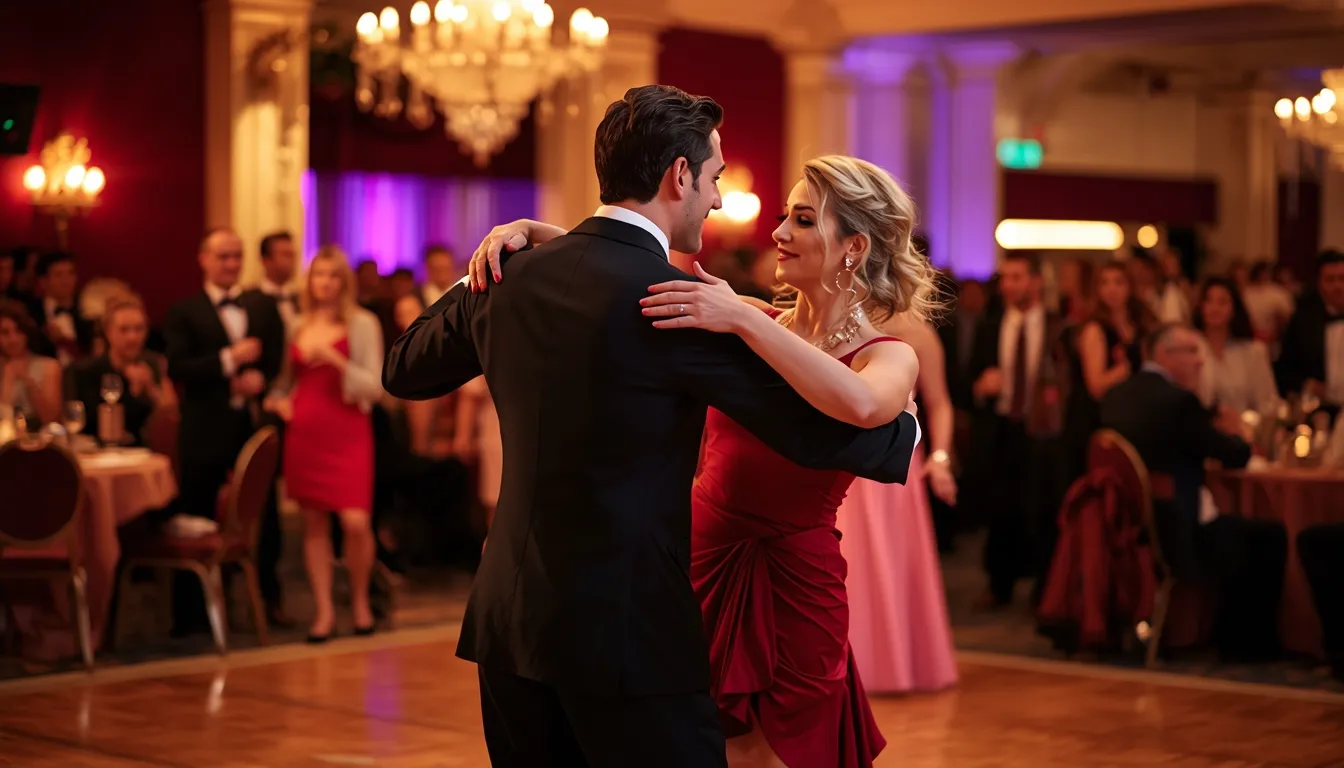
I still keep in mind the to begin with time I attempted dancing in the ballroom. It wasn't at a favor competition or a glitzy lodging. It was a swarmed Saturday morning at a neighborhood studio, and I went through most of the to begin with hour looking at my feet.
My partner and I moved like two shopping carts attempting to explore a limit path. It was unbalanced, somewhat humiliating, and completely exhilarating.
That feeling of at long last connecting a step to the music, of moving in match up with another individual, is something you do not forget.
So, What Is the Ballroom Dance?
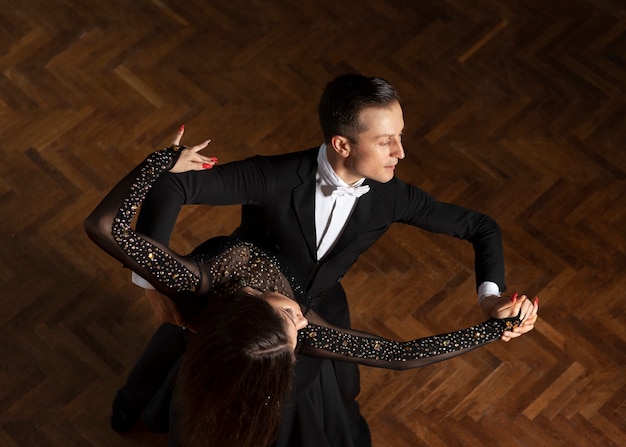
If you're inquisitive around getting begun, you've likely realized it's a greater world than fair "waltz" or "tango." Let's break down the sorts of ballroom dances to help you discover the culminate fit for your identity and objectives.
Read Also: Who Was Eliminated From Dancing With the Stars 2025?
We'll see at what works, what’s precarious, and how to dodge the common pitfalls I faltered into.
The Two Main Families: Smooth vs. Rhythm
Before we plunge into particular moves, it helps to get it that what is the ballroom dance scene is by and large part into two fundamental camps, particularly in the U.S.: Smooth and Rhythm.
Think of Smooth (or Standard) moves as the "traveling" dances. You move counter-clockwise around the floor, floating and turning. They regularly include a solid outline and a sense of clearing motion.
Think of Beat (or Latin) moves as more "spot" dances. You regularly remain in one region of the floor, and the activity is more approximately hip development, sharp timing, and lively connection.
Knowing this qualification is your to begin with piece of "buying guidance." It makes a difference you select a fashion that matches your inclination for movement.
Exploring the Dances: An Fair Guide
Here’s a breakdown of well known moves based on real-world experience—the great, the ungainly, and the practical.
The Waltz: The Foundation of Grace
This is frequently the to begin with move individuals picture. It's the quintessential Smooth dance, done to 3/4 time music.
-
The Involvement: The Waltz feels like a moderate, consider walk. The "box step" is the foundational move you'll learn, and it instructs you everything approximately weight exchange and leading/following. There's a reason it’s the go-to for wedding to begin with dances.
-
Pros: It’s unimaginably pardoning. The moderate rhythm gives you time to think. It builds an fabulous establishment for pose, outline, and moving as a unit.
-
Cons (The Fair Truth): It can feel a bit unbending at to begin with. The consistent up-and-down rise and drop can feel unnatural and might make your legs tired rapidly. If you're looking for a high-energy workout, this might feel as well calm initially.
-
Best For: Couples planning for a wedding, absolute apprentices who need to construct center abilities, and anybody who adores classic, exquisite music.
The Tango: Intensity and Staccato
Don't expect the flowing movements of the Waltz. Tango is sharp, dramatic, and walks with purpose.
-
The Encounter: You'll take solid, consider steps with speedy head snaps. It's less around floating and more approximately effective, staccato development. The music is emotional, and the dance requires a exceptionally focused connection with your partner.
-
Pros: It’s incredible for progressing your pose and creating a solid, clear outline. The dramatization is fun to play with.
-
Cons: It can feel forceful or unnatural if you incline toward delicate, flowy development. The "staccato" action—stopping and starting—requires exact foot and leg control that takes practice.
-
Best For: Individuals who adore dramatic music and a dance with demeanor. It’s too incredible for those who need to work on exact, grounded footwork.
The Foxtrot: The Ultimate Social Dance
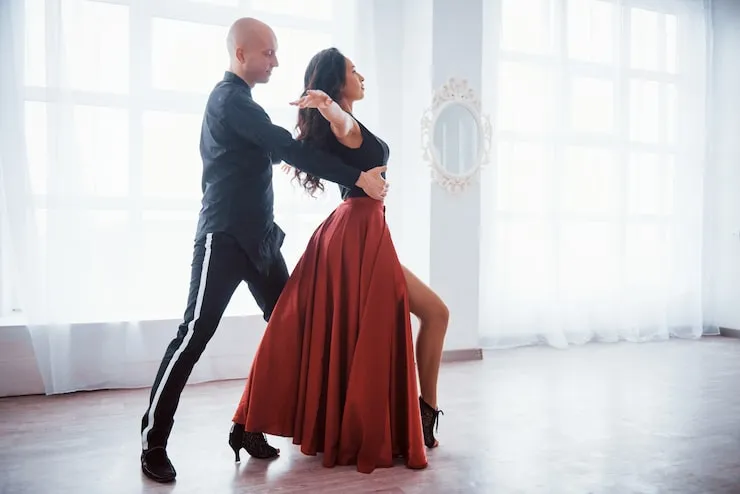
If you need to see like you're coasting easily over the floor, this is it. Regularly danced to big band or jazz guidelines, it’s a Smooth move that combines moderate and speedy steps.
You Must Also Like: How to Learn How to Line Dance Near Me?
-
The Encounter: The Foxtrot is all almost smooth, nonstop development. It feels like a exceptionally rich walk, with parts of turns and varieties. It’s the move you see in classic Hollywood films.
-
Pros: It’s incredibly practical. Since it's so flexible, you can move it to a colossal run of music. It educates you how to move around a swarmed floor gracefully.
-
Cons: The combination of moderate and speedy steps ("moderate, moderate, quick-quick") can trip up your brain at to begin with. It requires more floor make than moves that remain in one spot.
-
Best For: Anybody who adores jazz or swing music and needs a move that’s smooth, classy, and exceedingly practical for social occasions.
The Swing (East Coast): Pure Fun
Ready to smile? East Coast Swing is your dance. It’s a high-energy Rhythm dance with a bounce and a rock step.
-
The Encounter: It’s bouncy, lively, and full of vitality. The fundamental "shake step" and "triple step" make that notorious swinging feel. You’ll open up from your close dance frame, which feels more relaxed.
-
Pros: It’s a incredible workout. The playful rhythm gets your heart pumping and is ensured to lift your disposition. It's less formal and more pardoning of mistakes.
-
Cons: The bounce can be difficult on the knees if you're not cautious. It’s simple to get carried absent with the speed and lose your association with your partner.
-
Best For: Couples and singles looking for a fun, lively workout. It's moreover awesome for breaking out of the "hardened" stage of learning. It’s a update that dancing in the ballroom isn’t continuously serious—it can be immaculate bliss.
The Cha-Cha: Playful and Sassy
This is the quintessential Latin Rhythm dance. It’s all about timing, hip action, and a little bit of sass.
-
The Experience: The music is infectious. You’ll learn to step on the beat and then use your hips to create the distinctive "cha-cha" sound and feel during the quick triple steps.
-
Pros: It’s phenomenal for developing coordination and isolating different parts of your body. It’s a great confidence-builder because it’s so playful.
-
Cons: The hip motion is not natural for most people. It takes time to learn how to move your hips without forcing it. It can feel very awkward and mechanical before it feels smooth.
-
Best For: Anyone who loves Latin music and wants to build rhythm and body coordination. It's a dance where personality shines.
| Dance Style | Best For... | Why It Works | The Honest Challenge |
|---|---|---|---|
| Waltz | Wedding prep, absolute beginners | Builds perfect posture & frame; forgiving tempo | The rise & fall can feel unnatural & tire legs |
| Tango | Drama lovers, precision seekers | Sharpens footwork & powerful, grounded movement | Can feel too aggressive; requires sharp "staccato" control |
| Foxtrot | Social dancers, jazz fans | Versatile for many songs; teaches graceful floor craft | "Slow, slow, quick-quick" timing can confuse beginners |
| Swing | Fun-seekers, cardio lovers | High-energy, mood-lifting workout; relaxed & playful | Bounce can strain knees; easy to lose connection at speed |
| Cha-Cha | Rhythm builders, Latin music fans | Develops coordination & playful body isolation | Hip motion is unnatural at first; feels mechanical initially |
Taking the Next Step: Real-World Advice
Perusing almost moves is one thing; finding the right put to learn is another. Here’s viable direction based on what I’ve learned and seen.
Finding "Ballroom Dance Classes Close Me"
When you look for ballroom dance classes near me, you'll likely get a blend of free studios and national chains like Fred Astaire. Do not fair choose the closest one. Do a little digging.
-
Look for authentic experiences: Check reviews on Google or Tripadvisor. You're looking for comments about patience, not just skill. For example, one student at a Fred Astaire studio mentioned how their instructor, Andrew, was "amazing" at adjusting the teaching and walking them through steps with kindness, even when they kept messing up. That's the kind of teacher you want.
-
Try before you buy: Many studios, like the one in Artesia, offer money-saving introductory packages for new students . This is your test drive. Take advantage of it. See if the studio's vibe and the instructor's style click with you.
What to Expect in a Beginner Class?
Walking into your first class, you might feel like everyone is watching you. They're not. They're all too busy looking at their own feet. Here’s the reality:
-
It will be awkward: Those ballroom dance steps for beginners—the Box Step, the Rock Step—feel anything but natural at first . Your body is learning a new way to move. Be patient with yourself.
-
Focus on connection, not choreography: The real goal isn't to memorize a routine. It's to learn how to lead or follow. This means maintaining a consistent frame (your arms and posture) and learning to communicate through touch and movement.
-
You will make mistakes: And that’s 100% normal. The best instructors, like those praised in reviews, are the ones who make you feel okay about messing up.
If You're Near Times Square
If you're looking for ballroom dance near Times Square, you have a vibrant scene at your doorstep. Past the formal studios, you might discover social move parties or settings like the Paradise Club, which offers a more showy, cutting edge cabaret involvement idealize for a date night.
Also, do not ignore the control of a devoted space. There are beautiful rental studios, like "The House of Flamenco," fair a piece from Bryant Park, with sprung wood floors perfect for hone . Some of the time, finding a space to hone is half the battle.
A Word on "Marilyn Hotchkiss Ballroom Dancing"
You might have come over the film Marilyn Hotchkiss ballroom dancing. Whereas it's a anecdotal story, it captures a significant truth around this action. It’s not fair almost the steps.
The film appears characters who are broken, confined, and stuck in the past, finding recovery and human connection on the move floor.
One reviewer delightfully famous that the film’s concept is "that the fantasy of the new begin is feasible for all of us. It's as simple as one, two, cha-cha-cha". It’s a update that why we move is regularly more profound than we admit.
Final Thoughts: Your Travel Begins Now
Learning to dance is a prepare. You will step on toes. You will get disappointed. But at that point, in a minute of calm concentration, you’ll total a grouping without considering, and the music will carry you both over the floor.
Be genuine with yourself almost what you need. Is it wedding prep? A fun date night? A genuine new hobby to get in shape? Utilize this direct as your beginning point.
Visit a studio, inquire questions, and provide yourself consent to be a apprentice. The world of moving in the ballroom is waiting, and it’s distant more inviting than you might think.